The Art and Science of a Custom Car Wrap
Walking into a car customization studio for the first time can feel a bit like stepping into a workshop that blends art and engineering. You are not just picking a color off a swatch. You are deciding how light moves across the panels, how the finish feels under your hand, and how the whole thing holds up through Singapore's tropical heat and sudden downpours. That is the reality of a custom car wrap. It is not a sticker job. It is a carefully planned application of premium vinyl wrap that transforms a vehicle's appearance without the permanence or cost of a full respray.
I have seen people walk in wanting a simple gloss finish, then leave three hours later debating between a matte finish and a color shift that looks different at every angle. The options are genuinely wide, and that is where the real expertise of a wrap installer comes in. A good installer does not just apply material. They advise on durability, on how a particular film will behave around compound curves, and on what will happen when the sun hits that chameleon wrap day after day. That kind of judgment is what separates a wrap that lasts from one that starts peeling at the edges within six months.
Why Vinyl Wrap Instead of Paint
Automotive paint has its place. A high-quality paint job done by a skilled sprayer is a thing of beauty. But paint is permanent, expensive, and time-consuming. If you change your mind in two years, you are looking at another full strip and respray. A vinyl wrap sits on top of the original paint. It protects the clear coat underneath, and when you are ready for a change, wrap removal is straightforward. The underlying paint stays pristine, which matters a lot for resale value.
There is also a practical side to consider. In a city like Singapore, where humidity and UV are constant factors, a laminated vinyl wrap from a reputable manufacturer such as 3M, Oracal, or Avery Dennison can outlast a budget paint job. The top brands engineer their films with UV inhibitors and adhesive systems that resist the kind of edge-lift and fading you would get from cheaper materials. A good wrap installer will explain that lamination is not optional on large flat surfaces. It adds a clear protective layer that shields the printed ink or the solid color film from scratches, bird droppings, and tree sap.
The Real Work Behind a Flawless Finish
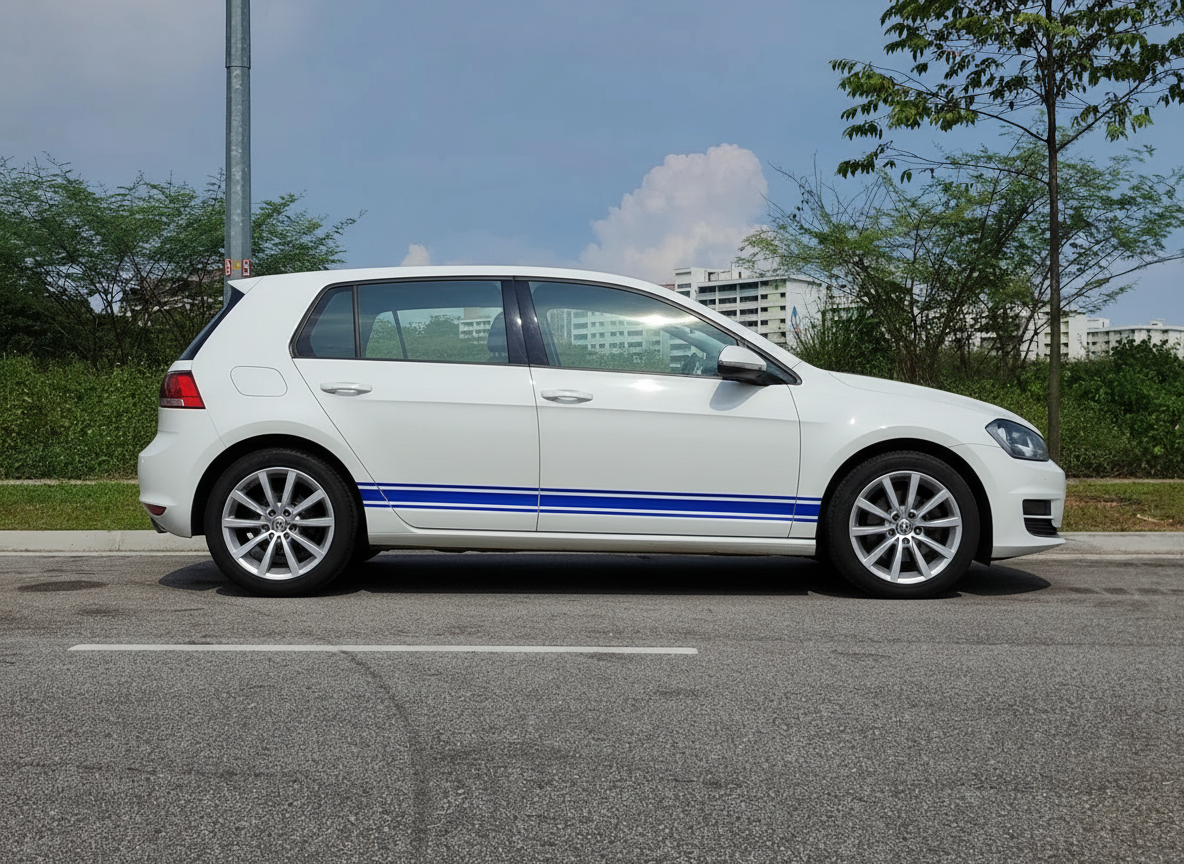
I once watched a pro spend forty minutes on a single door handle. He heated the vinyl with a heat gun, stretched it just enough to follow the contour, then pressed it down with a squeegee in a pattern that forced every air bubble to the edge. That level of patience is what produces a wrap that looks like paint. The seams are invisible. The edges wrap around to the inside of the panel so they do not catch dirt. And the whole thing is done without cutting into the car's clear coat.
This is the part that people often underestimate. A custom car wrap is only as good as the hands that install it. The same roll of film installed by two different people can look completely different. One will have bubbles, lifted corners, and visible seams. The other will look like the car came out of the factory that way. That is why the reputation of the studio matters more than the brand of vinyl. You want a wrap installer who has done dozens of full wraps, who knows how to handle complex curves like the front bumper or the side mirrors, and who uses a digital preview system to let you see exactly how the wrap will look on your specific car before a single piece of material is cut.
Materials That Make a Difference
When you start looking into vinyl wrap, you will hear names like 3M, Oracal, and Avery Dennison over and over. There is a reason for that. These companies spend millions on research to develop films that stretch without tearing, that resist yellowing, and that release cleanly when you want them off. A wrap removal from a cheap film can leave adhesive residue that requires chemical solvents and hours of scraping. A wrap from a premium film, properly installed, peels off in one piece with minimal cleanup.
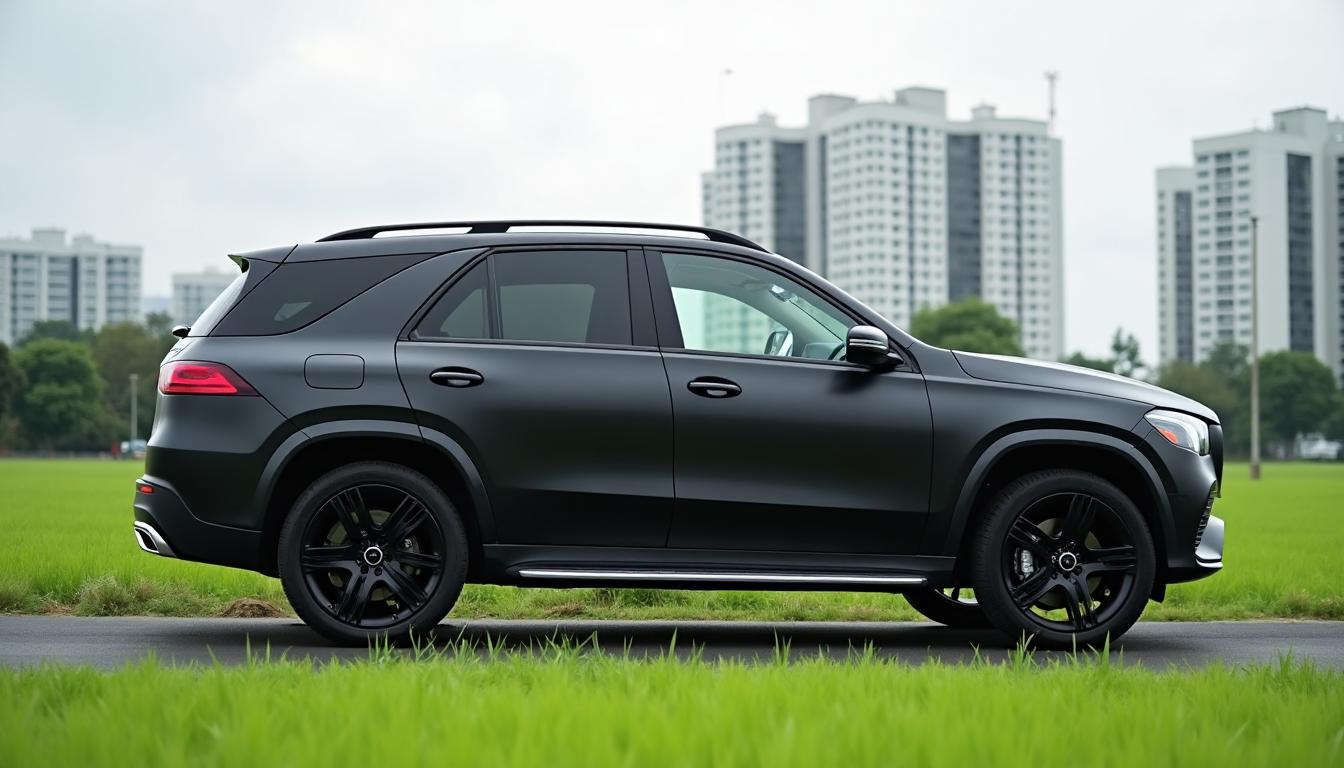
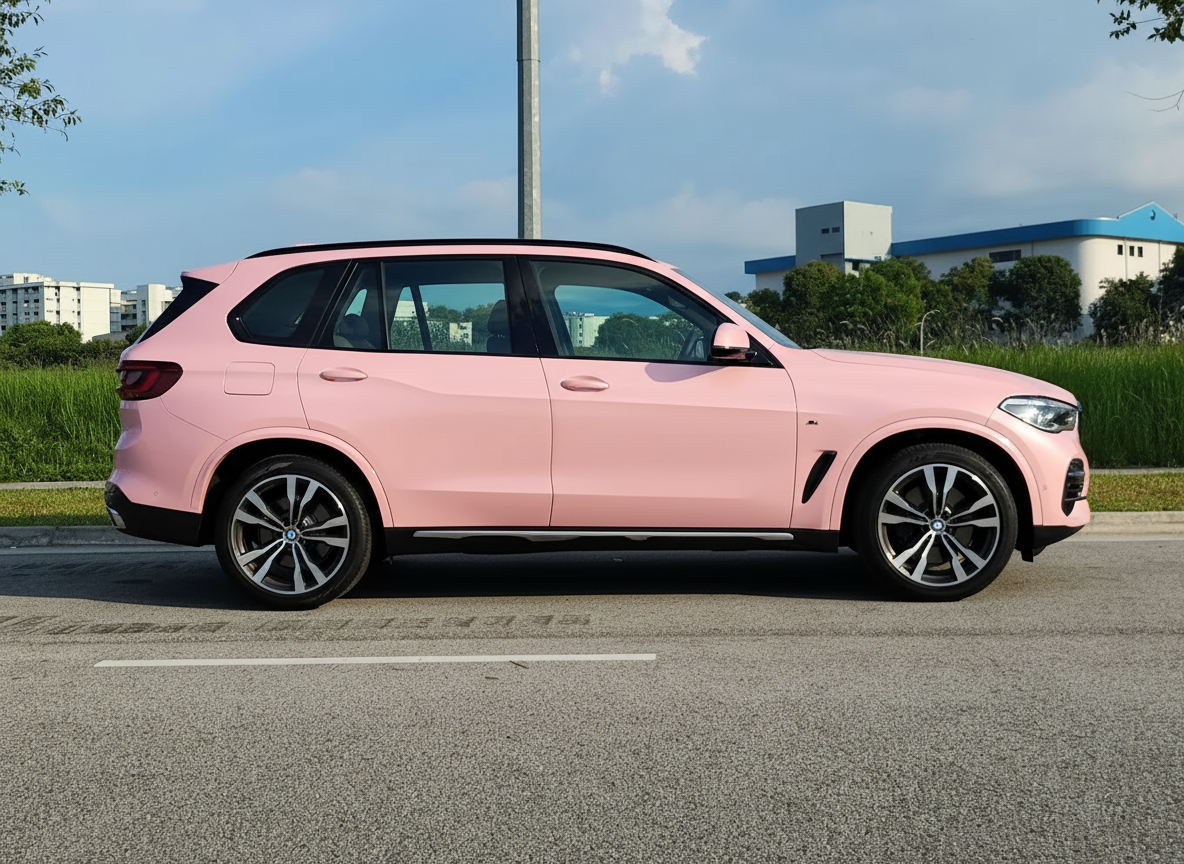
The finish you choose also changes the experience. A gloss finish mimics the look of a fresh clear coat. It reflects light sharply and makes the color pop. A matte finish absorbs light, giving the car a flat, almost velvety look that hides fingerprints and minor surface imperfections. Some people go for a satin finish that sits right between them. Then there are the specialty films: carbon fiber textures that add grip and a technical look, color shift films that change hue depending on the viewing angle, and chameleon wraps that seem to shimmer with multiple tones under different lighting.
If you are doing vehicle branding for a business, the choices are even broader. You can print custom logos and contact details directly onto the vinyl, then laminate over them for durability. That turns your car into a moving billboard that gets seen by thousands of people every day. The aerodynamics of a wrapped car are not noticeably different from paint, so there is no performance penalty for the added visual impact.
What a Digital Preview Means for Your Decision
One of the biggest anxieties people have before getting a wrap is wondering whether the final result will match their mental image. A color swatch on a screen or a small sample piece does not tell you how the full car will look. That is where a digital preview becomes invaluable. You upload a photo of your actual car, and the studio overlays the wrap design onto it, complete with reflections and shadows. You can see how the matte finish will look on the hood versus the gloss on the trunk. You can move the color shift around and watch how it behaves on different panels.
This process saves time and eliminates guesswork. It also helps you avoid expensive mistakes. I have seen people fall in love with a chameleon wrap in a showroom, only to realize after seeing the digital preview that the color shift does not look as dramatic on a small car as it does on a large one. The preview lets you adjust before the vinyl is cut. Once the film is cut and applied, changes are costly. Getting a free quote after seeing the preview means you know exactly what you are paying for and what the result will look like.
Cost, Value, and Long-Term Thinking
A full custom car wrap is not cheap. The materials alone, especially from top brands like 3M or Oracal, represent a significant investment. Then you add the labor, which can take two to five days depending on the complexity of the design and the size of the vehicle. But compared to a high-end automotive paint job, a wrap is often half the cost or less. And because it protects the original paint, you get that value back when you sell the car.
There is also the question of maintenance. A wrapped car is easy to clean with soap and water. You avoid abrasive cleaners and pressure washers near the edges. If a panel gets damaged, a good installer can replace just that section without redoing the whole car. That is not possible with paint. You would have to blend the new paint into the old, which is rarely perfect. With a wrap, the color match is exact because it is the same batch of film.
Wrapping Up the Practical Details
If you are considering a wrap, here are a few things to keep in mind:
- Choose a studio that uses premium films from 3M, Oracal, or Avery Dennison. The upfront cost is higher, but the longevity and removal ease are worth it.
- Ask about lamination. On printed wraps, lamination is essential. On solid color wraps, it adds gloss and scratch resistance.
- Look for a digital preview service. Seeing the wrap on your own car before committing removes most of the risk.
- Check the installer's portfolio. Look for full wraps, not just partial jobs. Pay attention to how they handle complex areas like door handles, bumpers, and the rear bumper.
- Get a free quote that itemizes materials and labor. A transparent breakdown helps you compare options and avoid hidden fees.
In the end, a custom car wrap is a personal statement. It is a way to make your car look exactly the way you want without the permanence of paint. With the right materials and a skilled wrap installer, you get a finish that turns heads, protects your investment, and can be changed when your tastes evolve. That is the real value of the craft.